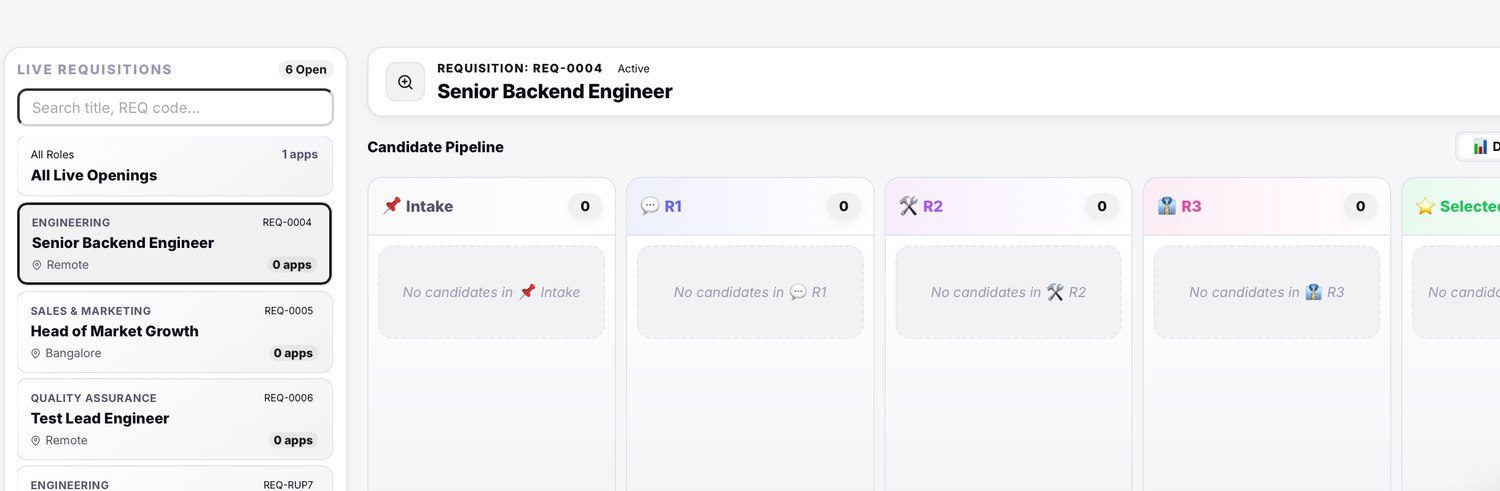
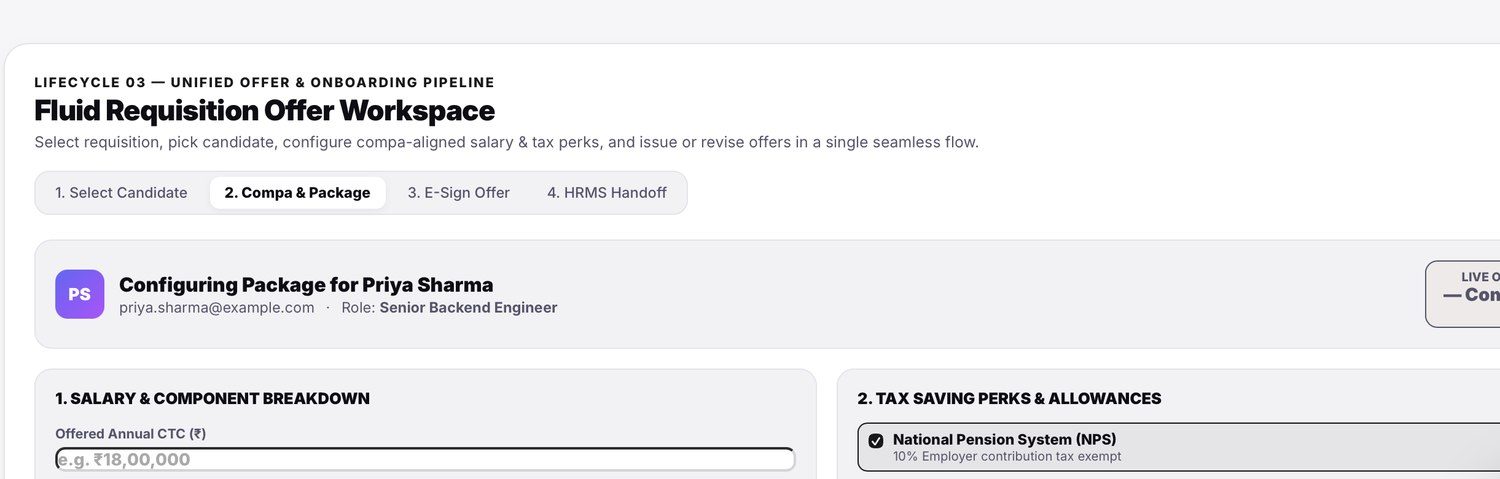
Write the JD, rank the stack, make the offer.
Raise a requisition and Flowy drafts the job description for you. Applicants come into a pipeline you shape per role, ranked so the top of the stack is worth reading first. Then a compa-aligned offer with the wage code optimisation already applied — at offer time, not nine months later in an audit.
- JD builder AI — a drafted, level-appropriate description from a one-line brief
- Candidate shortlists — applicants sorted with the basis shown, so a person can disagree
- Live compa ratio while you configure the package, then e-sign into the HRMS
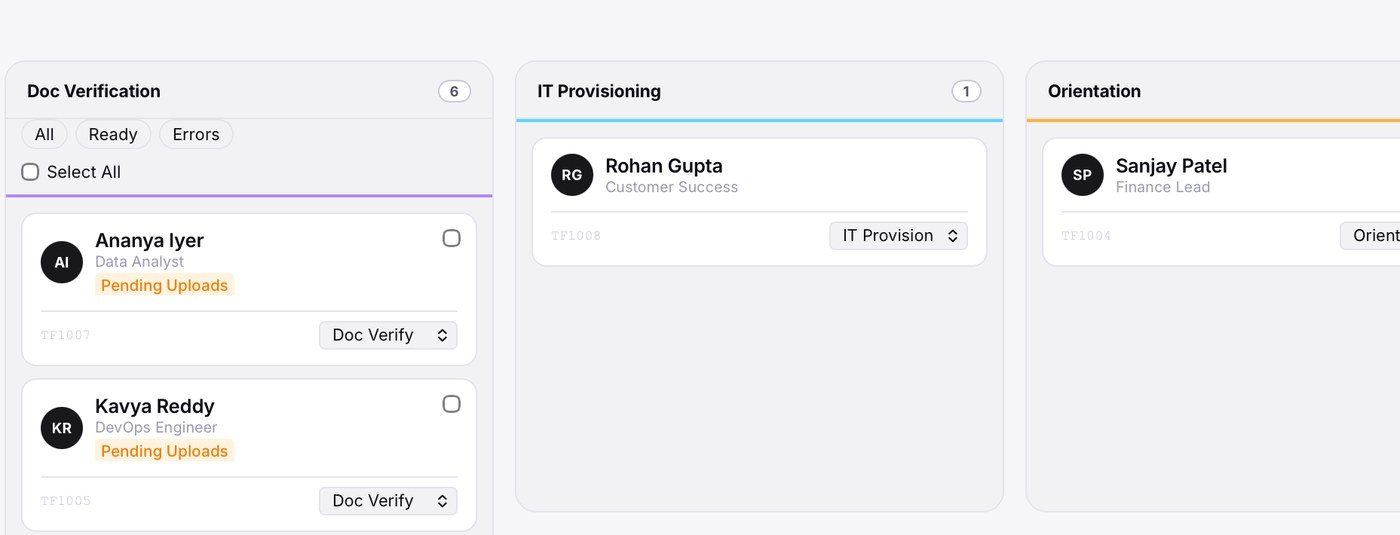
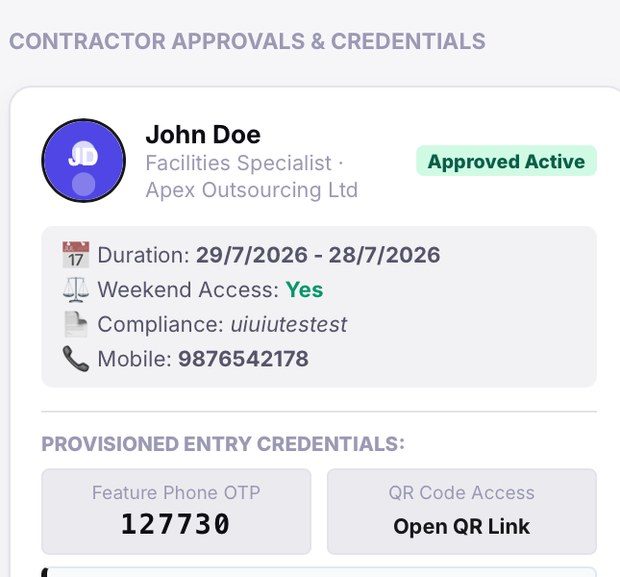
Day one works, even for the people without an email address.
Documents, IT provisioning and orientation move across a board so nobody starts on Monday without a laptop. Contractors come in through the same door — onboard the agency, verify the worker, issue entry credentials, and the gate terminal enforces the dates and rules you set.
- A QR pass for smartphones, a six-digit OTP over SMS for feature phones
- Entry denied automatically when a contract or induction lapses — with the reason logged
The ordinary things, in the place you'd expect them.
Nothing here will surprise you. That's the point — it's the same record the offer was made against, so nobody reconciles two systems at month end.
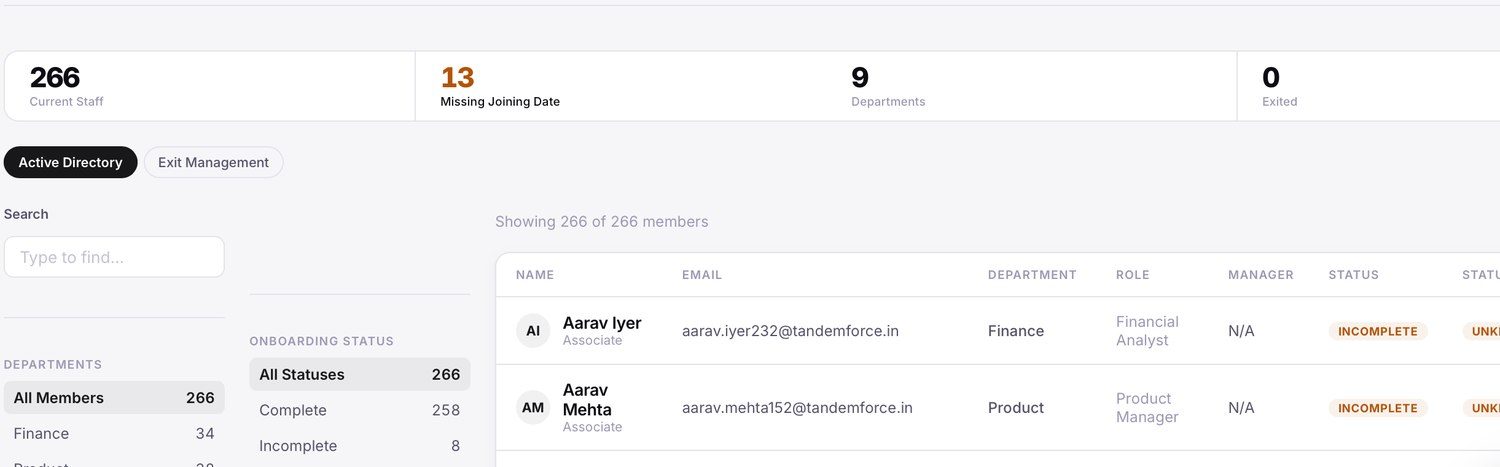
People directory
Every employee, department and exit record, searchable.
Org chart
Reporting lines and hierarchies, visual and exportable.
Time and absence
Leave requests, approvals and balances without the email chain.
Attendance and shifts
Rosters and attendance that reconcile straight into payroll.
Performance
Review cycles tied to the same record as everything else.
HR requests
Letters, changes and queries tracked to a close.
Company hub
Noticeboard, milestones, appreciations and events.
Bulk data change
CSV import and bulk edits for when the org moves at once.
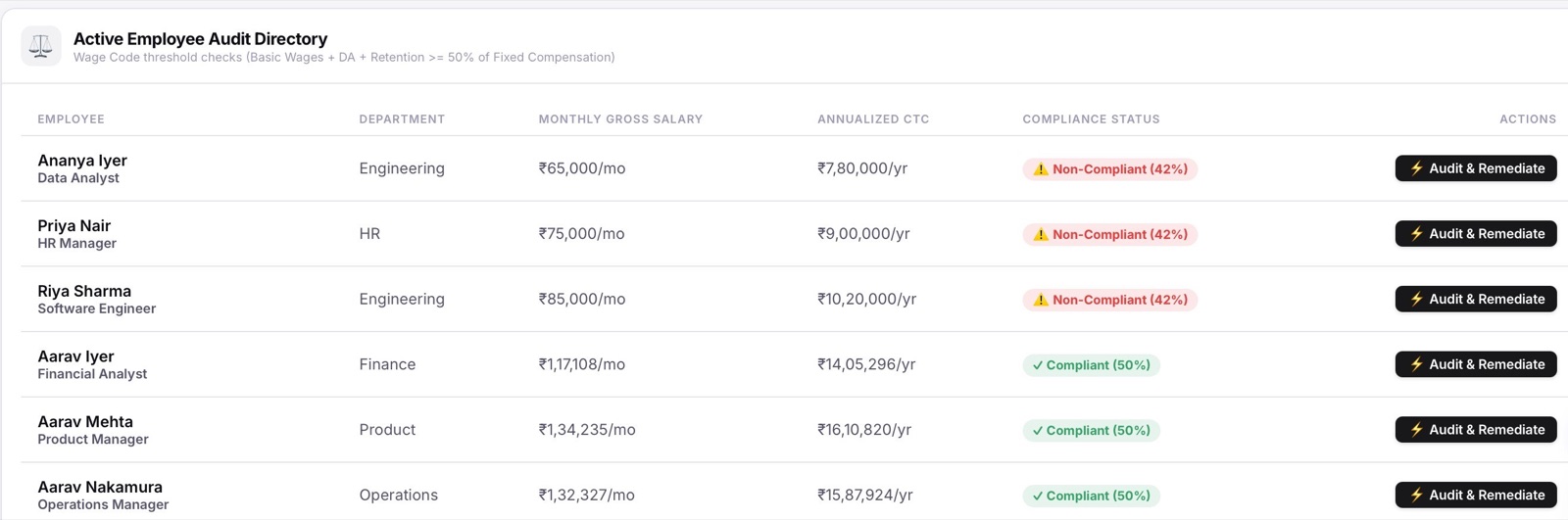
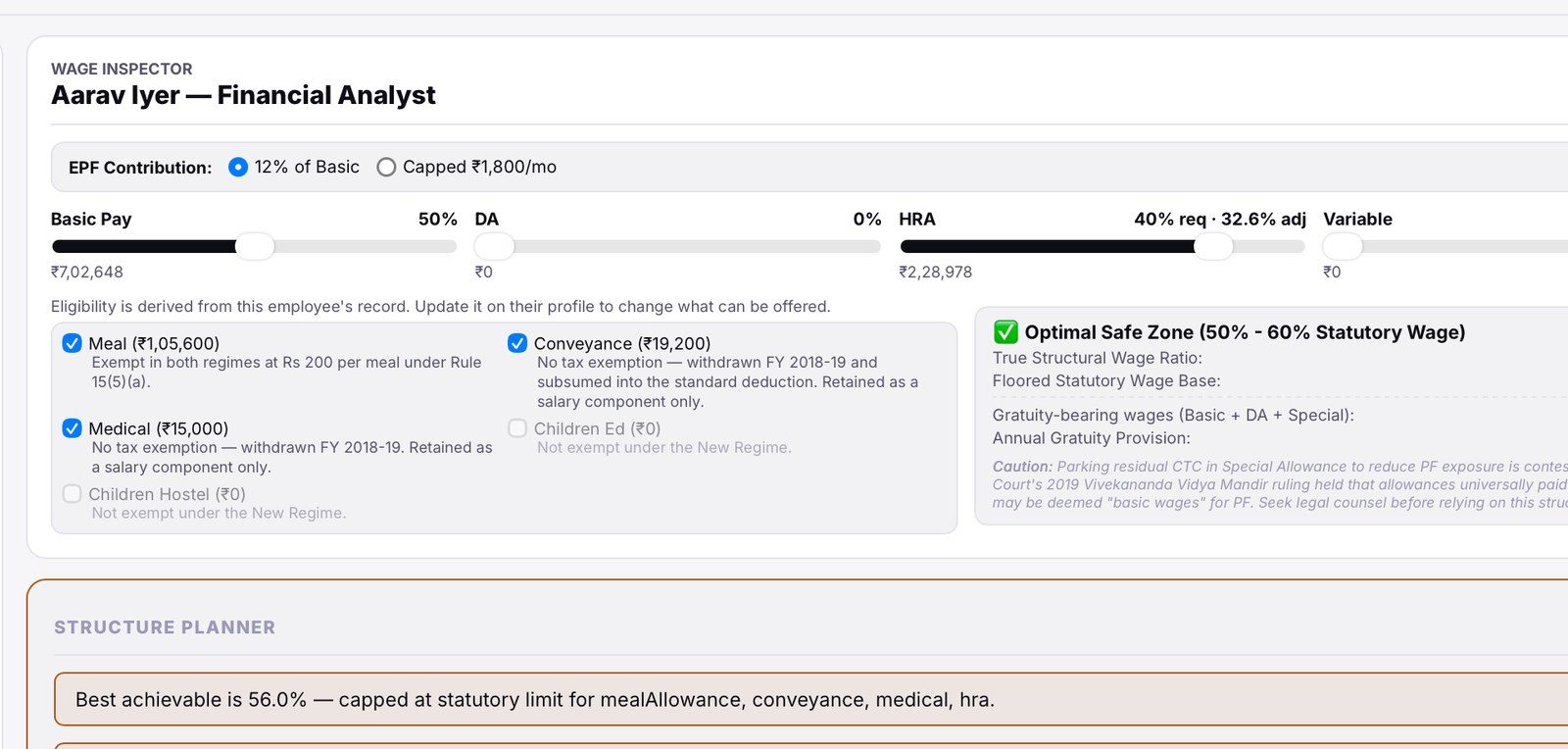
Most systems run payroll. Flowy argues with it first.
Open anyone in the Wage Inspector and you see the true structural wage ratio, the floored statutory wage base and the gratuity-bearing total. Move a slider and it tells you the best achievable split — and exactly which statutory ceiling stopped you.
- Compliance health — the whole directory audited against the wage code, every breach explained in plain language
- Old and new regime exemptions applied per allowance, per employee
- Payroll runs, ledger, payslips, tax portal and proof audit in one tab set

Policy, reviewed before anyone reads it.
Draft handbooks in the Policy Studio, send them for review and approval, and publish them where employees already are, instead of in a PDF nobody has opened since 2023. Then exits, clearances and full and final close the same record that opened with a job description.
- Policy generation AI — a drafted handbook from your company context and industry
- Review and approval — nothing reaches employees until the named reviewer and approver have signed it off
Four places where the software does the reading for you.
Not a chatbot in the corner. Each of these sits inside a job somebody on your team does by hand today.
Job description builder
A level-appropriate JD drafted from a one-line brief, in your company's language rather than a template's.
CV reading
Skills, experience and contact details read from a CV into the candidate record, so nobody retypes them.
Compliance health
Every structure in the directory read against the wage code, and each breach explained in a sentence.
Policy drafting
Handbooks drafted from your company's context and industry, for your team to edit, review and approve.